Backstreet: A Friendly Font for Business
As a small business owner, I’ve learned that even the smallest details can make a big difference. Recently, I was tasked with updating the packaging for a local bakery’s signature loaf. The old labels felt tired, and the font didn’t match the warmth of their brand. That’s when I discovered Backstreet—a handwritten script font that brought a fresh, approachable energy to the design.
What Is Backstreet?
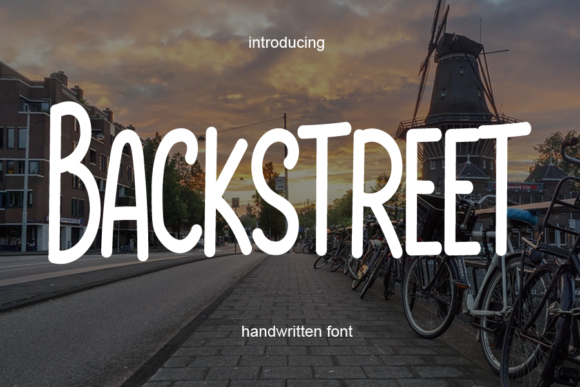
Backstreet is a simple and clean handwritten font that adds a casual, friendly touch to any project. Its style feels like a personal note from a friend, making it ideal for businesses that want to convey authenticity and approachability. The font has a soft, flowing character that doesn’t feel overly ornate, which makes it versatile for both digital and print use.
It’s perfect for logos, headlines, and short phrases where a human touch can enhance the message. Whether you’re designing a menu, a product label, or an Instagram post, Backstreet brings a sense of ease and familiarity that resonates with customers.
Using Backstreet in Real Business Materials
I tested Backstreet on several real-world projects, starting with a bakery’s packaging. The font worked well on the front of the box, giving the product a more personalized feel. It also paired nicely with a clean sans serif font for the ingredient list, creating a balanced look that felt professional yet inviting.
A candle seller used Backstreet for their jar labels, adding a handcrafted vibe that matched their brand identity. The font’s legibility made it easy to read from a distance, and its casual style helped the products stand out on shelves without being overwhelming.
For a café’s new menu, Backstreet was used as a headline font for each section, such as "Breakfast" or "Specials." It gave the menu a cohesive, polished look while keeping the tone warm and welcoming. When paired with a bold serif font for the body text, the design felt both modern and approachable.
How Typography Shapes Brand Perception
Typography plays a huge role in how customers perceive a brand. A well-chosen font can make a business feel more trustworthy, consistent, and memorable. Backstreet helps create that connection by adding a human element to otherwise static designs.
When used on thank-you cards, product tags, or social media graphics, Backstreet conveys appreciation and care. It’s not just a font—it’s a way to communicate personality through type.
On mobile screens or printed materials, Backstreet remains readable thanks to its clear strokes and natural flow. It’s especially useful for small labels or short phrases where a more decorative font might be too busy or hard to read.
Pairing Backstreet with Other Fonts
One of the strengths of Backstreet is how easily it pairs with other fonts. For a more formal look, it works well with a classic serif font like Georgia or Playfair Display. For a modern twist, pairing it with a clean sans serif like Lato or Montserrat creates a stylish contrast that feels balanced and professional.
If you're working on a logo, using Backstreet as a secondary font alongside a bold, geometric typeface can add depth and visual interest. It’s also great as a decorative accent in web design or social media templates, where it can highlight key messages or calls to action.
When choosing fonts for your brand, consider how they work together. Backstreet is best used for display purposes rather than long blocks of text. It shines in headlines, titles, and short phrases where its personality can shine through.
Final Thoughts on Backstreet
Backstreet is a great addition to any designer’s toolkit, especially for small businesses looking to elevate their branding without breaking the bank. Its friendly, handwritten style makes it ideal for creative projects that require a personal touch.
Whether you're updating a menu, redesigning product labels, or building a new website, Backstreet offers a versatile and approachable option that can help your brand stand out. With its clean lines and warm character, it’s a font that feels right at home in both digital and physical spaces.